
Light-duty towing
Your car, SUV, minivan or light pickup, towed off the road and taken where you need it: home, your repair shop, or wherever you choose.

Rose Brothers Towing & Roadside is a locally owned towing and roadside company in the Seattle area for light-duty vehicles, meaning cars, SUVs, minivans and light pickups. It is on call 24 hours a day for tows, lockouts, fuel delivery and winch-outs. Call (206) 710-0730 and the driver on call or the owner picks up.
Who picks up
Calls to (206) 710-0730 ring the Rose Brothers driver on call or the owner directly. There is no answering service and no national dispatch network in between, so the person you describe the problem to is part of the company coming to get you. Call now.
What we do
Rose Brothers handles light-duty vehicles, meaning cars, SUVs, minivans and light pickups. Tell us on the call what happened and we sort out which of these you need. Each one has its own page with what to do before the truck arrives, what to say on the call, and what that service cannot fix.
Your car, SUV, minivan or light pickup, towed off the road and taken where you need it: home, your repair shop, or wherever you choose.
Help on the spot when the vehicle does not need to leave. Describe the problem on the call and the driver comes out to you.
Keys locked inside the car? We come to where you are and get you back in.
Ran out of gas or diesel? We bring fuel to the spot where you stopped so you can drive on.
Slid into a ditch, mud, snow or a soft shoulder? A winch-out pulls the vehicle back onto solid ground with the truck's cable winch.
Before you call
A short, clear call gets the truck rolling. If you can, have this in front of you when you dial. If you cannot find one of them, say so and keep going; the driver would rather hear "not sure" than a guess that sends the truck to the wrong exit.

A street address, a cross street, or the highway with the nearest exit or mile marker.
Make, model and color, so the driver spots you on a dark shoulder.
Won't start, locked out, out of fuel, stuck, or it needs a tow.
If it needs a tow, the address it should go to.
Safety first. If anyone is hurt or the car is blocking traffic, call 911 first. On a highway shoulder, turn your hazards on and stay buckled in, or stand well away from traffic behind a barrier.
Service area
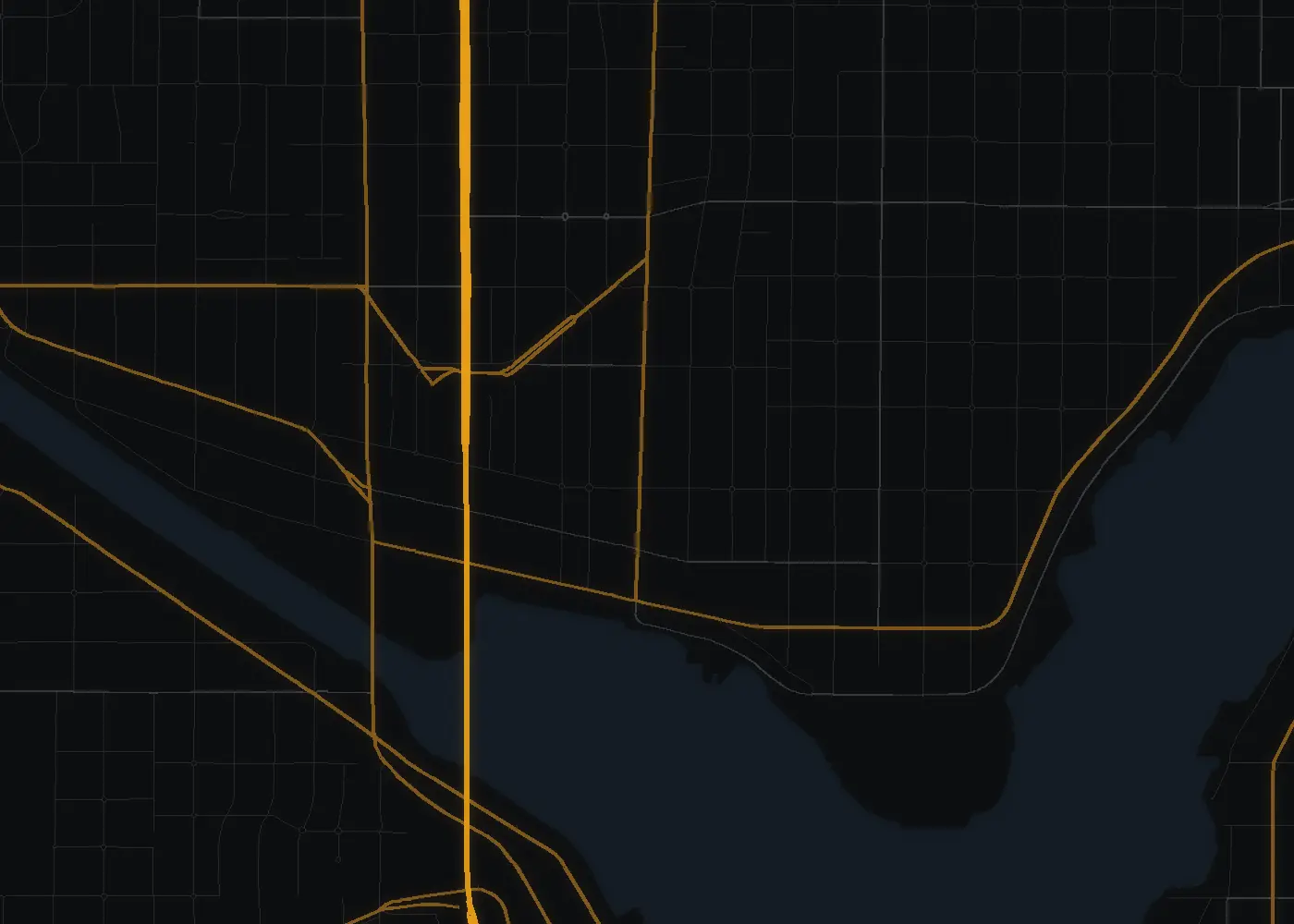
Tell us where you are when you call and we will tell you whether we can reach you. For anything urgent, call rather than using the form.
(206) 710-0730Open 24 hours, 7 days a week.
Straight answer
Rose Brothers is built for light-duty vehicles and the roadside jobs that come with them. If your job is on this list, we will say so on the call so you can reach the right company without waiting on us.
Staying safe
The wait is the risky part of a breakdown. You are stopped, traffic is not, and a tired driver may not see you until late. Turn on your hazard lights, the flashing lights that tell other drivers your vehicle has stopped, then decide where you are safest before you do anything else.
If the vehicle is stuck in a live lane, stay inside it with the hazard lights on and call 911. If you can get to the shoulder and it is safe, you have more choices, but keep clear of the lane either way. If anyone is hurt or you cannot get clear of the road, call 911 before you call a towing company.
When the truck pulls up with its warning lights on, plenty of drivers still will not slow down or move over. Stand well back from the lane, on the side away from traffic, until your vehicle is loaded and the driver says it is time to go. The roadside assistance page covers where to stand and what the law asks of other drivers.
Washington treats a stopped tow truck with its warning lights on as a protected zone. Under RCW 46.61.212, drivers approaching within 200 feet are supposed to slow down and change lanes away from it when that is safe. When a lane change is not possible, they must drop to at least 10 miles per hour under the posted limit, and no faster than 50 where the limit is 60 or above. Fines for breaking that rule are doubled. The law protects the driver working on your vehicle and you, but it only works if passing drivers notice, which is why standing well back still matters.
On a state highway, the Washington State Department of Transportation (WSDOT) runs an Incident Response Team that handles everything from flat tires and empty tanks to major crashes. WSDOT's instruction is to dial 911 for help on the roadway, and 911 sends whichever responder fits, including that team. Its page does not describe it as a towing service, so once you and your passengers are safe, a call to (206) 710-0730 is still how you get the vehicle moved where you want it.
Sources: RCW 46.61.212; WSDOT Incident Response program.
Destination
You choose the destination: your home, your repair shop, or wherever else you want it taken. Pick the place before you call if you can, because the driver will ask, and have the full street address ready. If the destination is far from where you are, say so on the call. The light-duty towing page has the rest of what to settle before the truck leaves.
One more thing to say early: if it is all-wheel drive (power goes to all four wheels, often marked AWD on the back) or electric, say so on the call. The light-duty towing page explains why that changes how a vehicle is moved.
Paying for it
Prices are not published on this site yet. Ask what the price will be, and what it includes, before you agree to anything.
Check your own coverage before you pay. Washington's Insurance Commissioner notes that roadside coverage often pays for a tow and its per-mile fees, up to the amount the policy sets. Per-mile fees are charges for each mile the vehicle is carried, and a cap means anything above it is yours to pay. The Commissioner also says that if you pay the towing company at the time of service, your insurer reimburses you after it processes your claim. Whether your own policy pays is between you and your insurer, so read it or call the number on your insurance card, and keep your receipt.
Rose Brothers is not a membership club or an insurer's referral line. You are calling the company itself, and a call to (206) 710-0730 rings the driver on call or the owner. Your insurer's roadside line is a separate call. To learn more about who you would be dealing with, read about Rose Brothers.
Source: Insurance Commissioner of Washington, learn how auto insurance works.
Time limits
Sometimes you cannot stay: you need to get warm, reach a child or be somewhere. Before you walk away, find out which rule applies where the vehicle sits, because the clock is different on a city street than on a highway.
On a Seattle street, the City of Seattle says its Traffic Code does not allow a vehicle to be parked on a city street for longer than 72 hours, whether or not a sign is posted. The City asks you to move your vehicle off the blockface at least once every 72 hours. A blockface is one side of a street between two cross streets.
Along a highway the clock is shorter. Washington law covers an unauthorized vehicle left in a highway right-of-way, which is the strip of land beside the road. When a law enforcement officer attaches a notice sticker, the vehicle may be taken into custody and stored at the owner's expense if it is not removed within twenty-four hours of that sticker. There is an exception: a vehicle that is not a safety hazard may stay longer if you cannot remove it, tell law enforcement and ask for assistance.
Outside cities and towns, state law also bars leaving a vehicle standing on the roadway itself. A driver whose vehicle is disabled so that stopping is impossible to avoid is excepted, but must still arrange prompt removal. Whichever rule applies, set up the removal before you leave, and note the exact spot so you can find the vehicle again.
Sources: City of Seattle, 72-hour on-street parking; RCW 46.55.085; RCW 46.61.560.
Pick the right one
Whether you searched for a tow truck in Seattle or for a lockout, one number reaches the driver, 24 hours a day. Find your situation below, then read the page for it. If more than one row fits, or none does, call anyway and describe what you see: a car that will not start, a strange noise, a warning light. The person who answers will tell you which of these it is, or whether it is a job for someone else.
| Your situation | What Rose Brothers does | Read more |
|---|---|---|
| The vehicle cannot be driven, or should not be | Tows it to your home, your repair shop or wherever you choose | Light-duty towing |
| It stopped, and you are not sure what is wrong | Hears the problem on the call and comes out to you | Roadside assistance |
| The keys are locked inside | Comes to where you are and gets you back in | Car lockout |
| The tank is empty, gas or diesel | Brings fuel to the spot where you stopped | Fuel delivery |
| Stuck in a ditch, mud, snow or a soft shoulder | Pulls the vehicle back onto solid ground with the truck's cable winch | Winch-out |
Cannot tell which row fits? Call and say what you see and hear. If the job can wait, send a tow request instead. Heavy-duty trucks, impound, storage and repossession are not part of what Rose Brothers does.
Questions
Your location, as exact as you can make it: an address, a cross street, or the highway, direction and nearest exit. Then the vehicle's make, model and color, what happened, and if it needs a tow, where it should go. Anyone hurt or a car blocking traffic means 911 first.
Yes. Rose Brothers runs 24 hours a day, 7 days a week, with a driver on call through the night.
Light-duty vehicles: cars, SUVs, minivans and light pickups. We do not tow heavy-duty or commercial trucks.
A winch-out is how a stuck vehicle gets pulled out of a ditch, mud, snow or a soft shoulder and back onto solid ground, using a cable winch on the truck.
Yes. Fuel delivery covers gas and diesel, brought to where you stopped.
Ask on the call: (206) 710-0730. Rose Brothers is not publishing prices on this site yet.